



Sick Week 2026 Crowns a Champion: Niklas Linrin Wins Unlimited
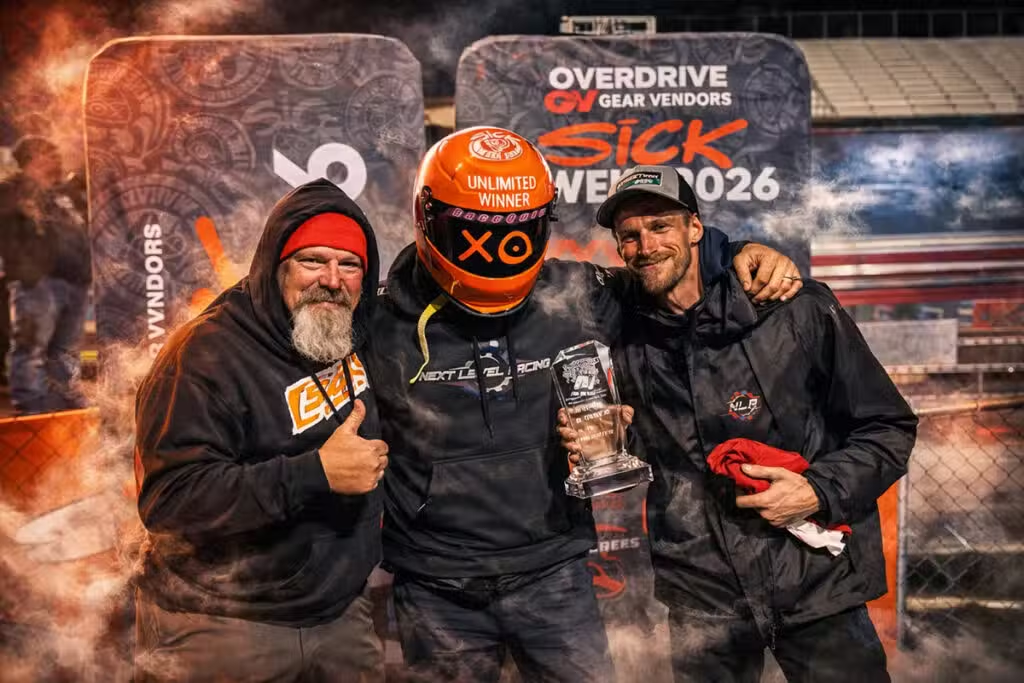
Sick Week 2026 wrapped up on February 7 after five demanding days of racing and nearly 1,000 miles of street driving. Known as one of the toughest drag and drive events in the world, the format rewards more than raw speed. It rewards consistency, durability, and disciplined engineering.
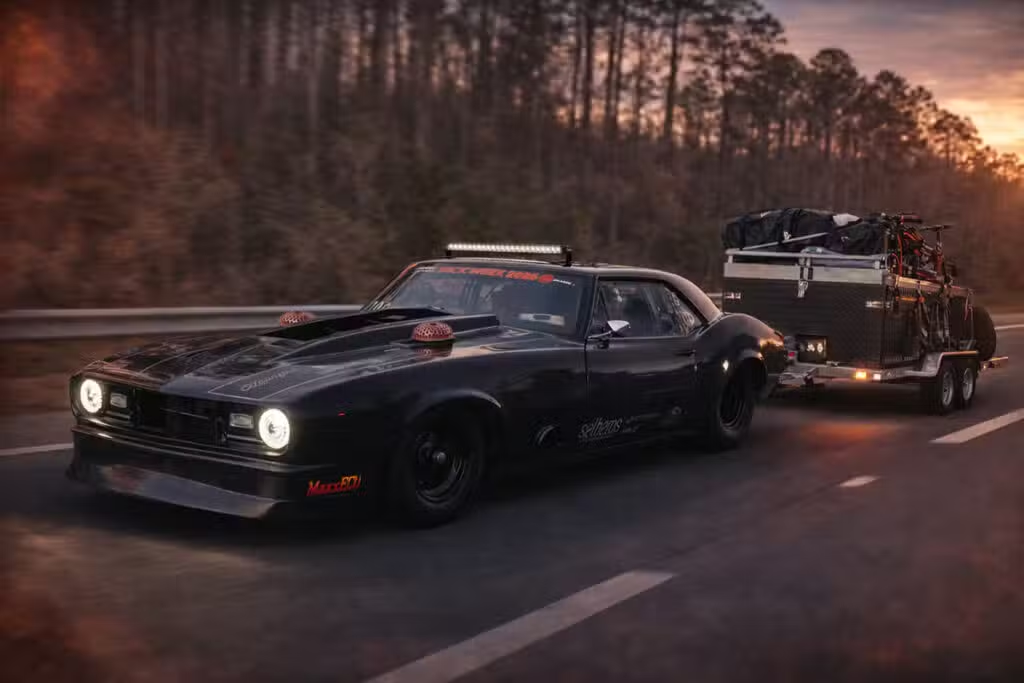
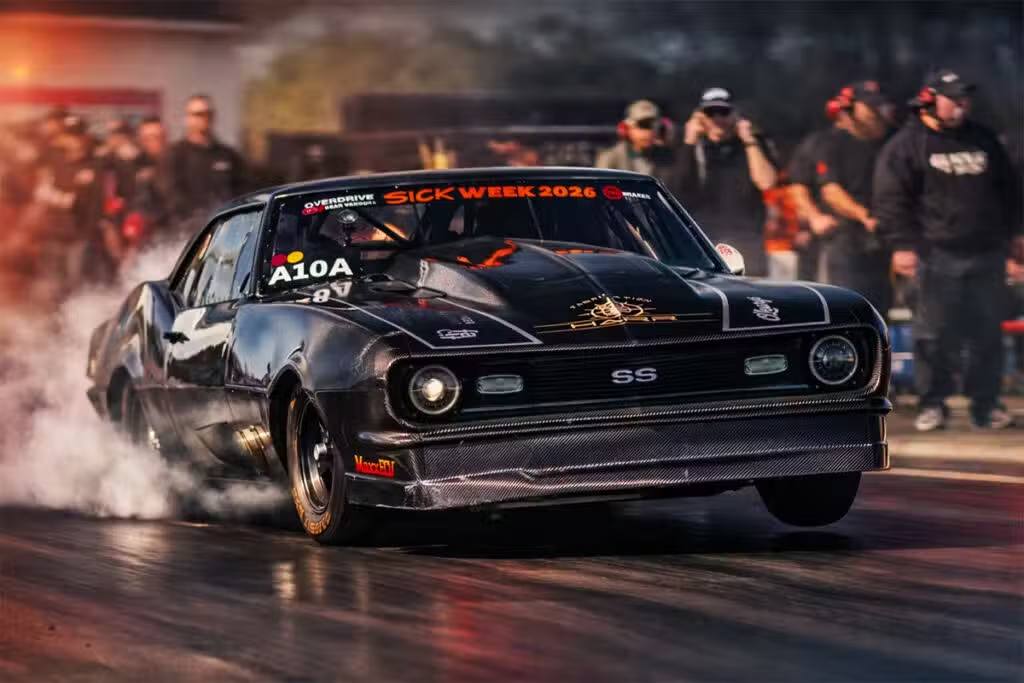
When the final time slips were submitted, Sweden’s Niklas Linrin stood at the top of the leaderboard. Driving his 1967 Pontiac Firebird, Linrin secured both the overall victory and the Unlimited class win.
More Than Just a Fast Pass
Sick Week is not a traditional drag race built around a single standout run. Competitors must make full power passes on a daily schedule, then immediately transition into highway driving to reach the next track. Over the course of the week, teams log close to 1,000 miles on public roads while towing their own tools and spare parts.
Every component is tested repeatedly. Engines experience constant heat cycles. Turbochargers operate under sustained boost and then endure long street miles before being called on again the next morning.
Why Sick Week Is the Ultimate Durability Test
Five days. Nearly 1,000 miles. Multiple full power passes every day.
- Repeated maximum effort quarter mile runs
- Immediate transition to street driving
- Hundreds of highway miles under load
- Changing weather and track conditions
- Maintenance performed in parking lots and roadside stops
What races must also drive. Success comes from combinations engineered for repeat performance.
Engineered for Repeat Performance
Under the hood of Linrin’s Firebird is a 540 cubic inch big block Chevy built around a Brodix aluminum block and MBE Max Pull cylinder heads, paired with a Shao Customs intake. The combination is designed to maintain stability under sustained load.
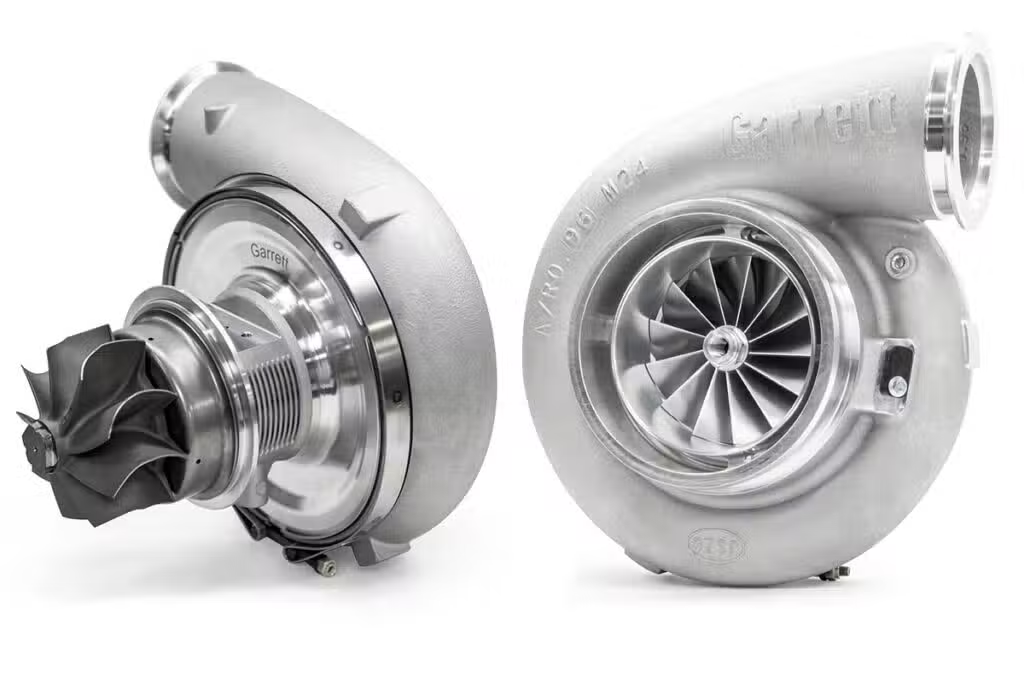
Boost is supplied by twin Garrett G57 turbochargers. In drag and drive competition, turbochargers must do more than make power. They must tolerate extended road mileage, vibration, and thermal cycling, then deliver consistent boost when the car stages again.
Across five days of racing and long highway drives, the Firebird maintained performance stability and secured a 6.49 second average at 206 mph. That level of consistency reflects careful component selection and a setup built to perform at maximum effort on a repeatable schedule.
A Well Earned Victory
At the end of the week, Linrin left with the orange winner helmet and the Sick Week guitar. More importantly, he left with a victory that represents durability, preparation, and the ability to perform again and again under pressure.