Garrett Intercooler Core Technology | Proven Thermal Performance
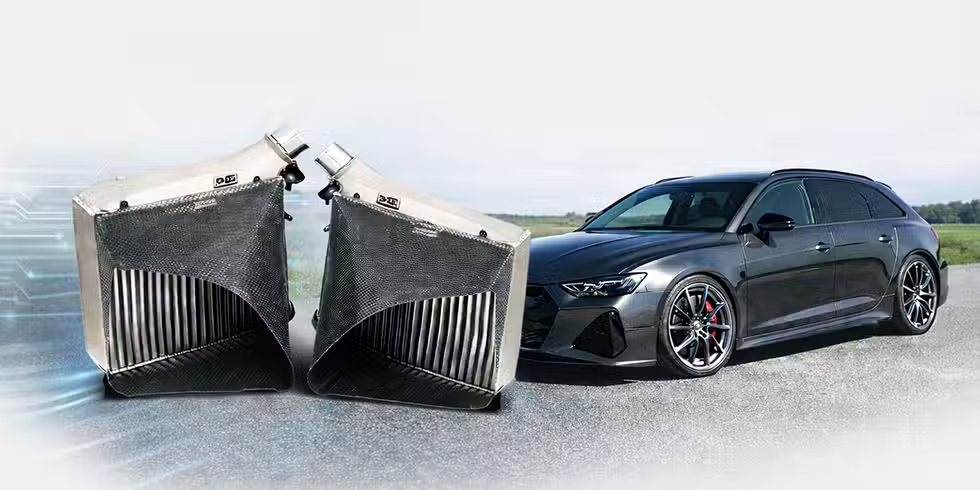
Garrett Intercooler Core Technology
Advanced intercooler core design plays a critical role in maintaining air density, thermal stability, and consistent performance in high-output turbocharged engines.
This overview connects Garrett intercooler core engineering, including bar-and-plate construction, internal fin geometry, and optimized fin density, to real-world validation data from high-load testing in a 900 horsepower Audi RS6 application.
Testing data was supplied by do88 AB, a performance cooling system developer, using repeated full-load acceleration cycles designed to stress charge-air cooling systems under sustained conditions. :contentReference[oaicite:0]{index=0}
Why Core Design Matters
As turbocharged engines increase in airflow demand and power density, intercooler performance becomes a limiting factor in sustained output. While peak cooling is important, thermal stability under repeated load defines real-world consistency.
Cooler charge air is denser than hot air, allowing more oxygen to enter the combustion chamber at a given boost pressure. Increased oxygen availability supports combustion efficiency and higher potential power output.
When intake air temperatures rise, density decreases and engine control systems may reduce timing or boost. Effective intercooling therefore preserves air density, supports combustion efficiency, and helps maintain consistent power delivery.
Inside the Garrett Core
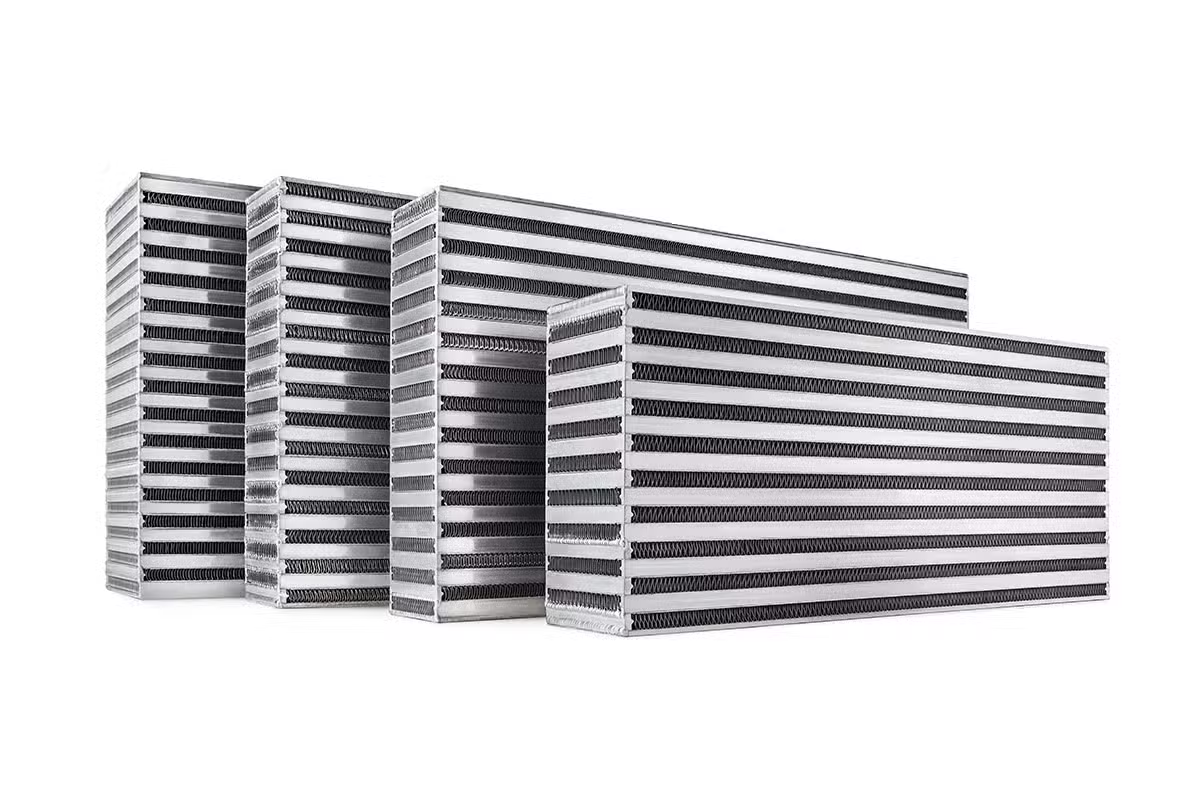
Bar-and-Plate Construction
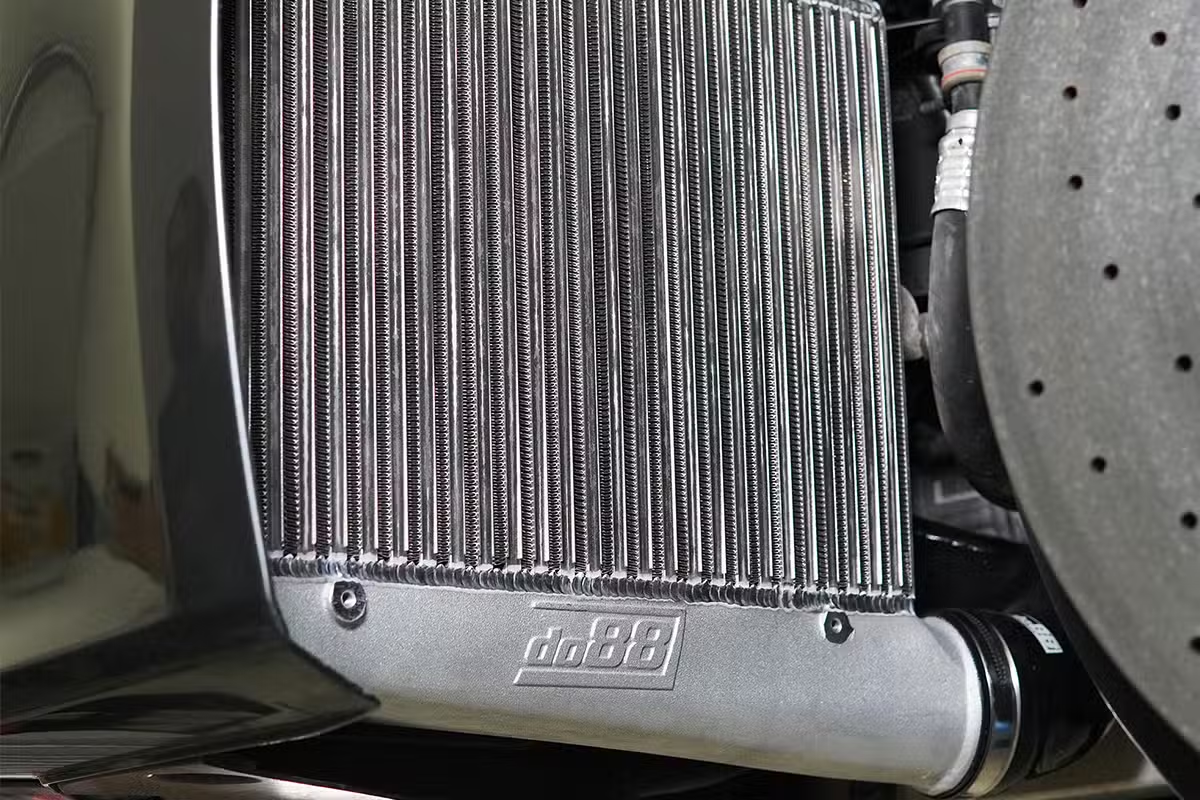
Bar-and-plate architecture provides increased thermal mass and structural integrity, allowing the system to absorb and dissipate heat effectively during repeated high-load events.
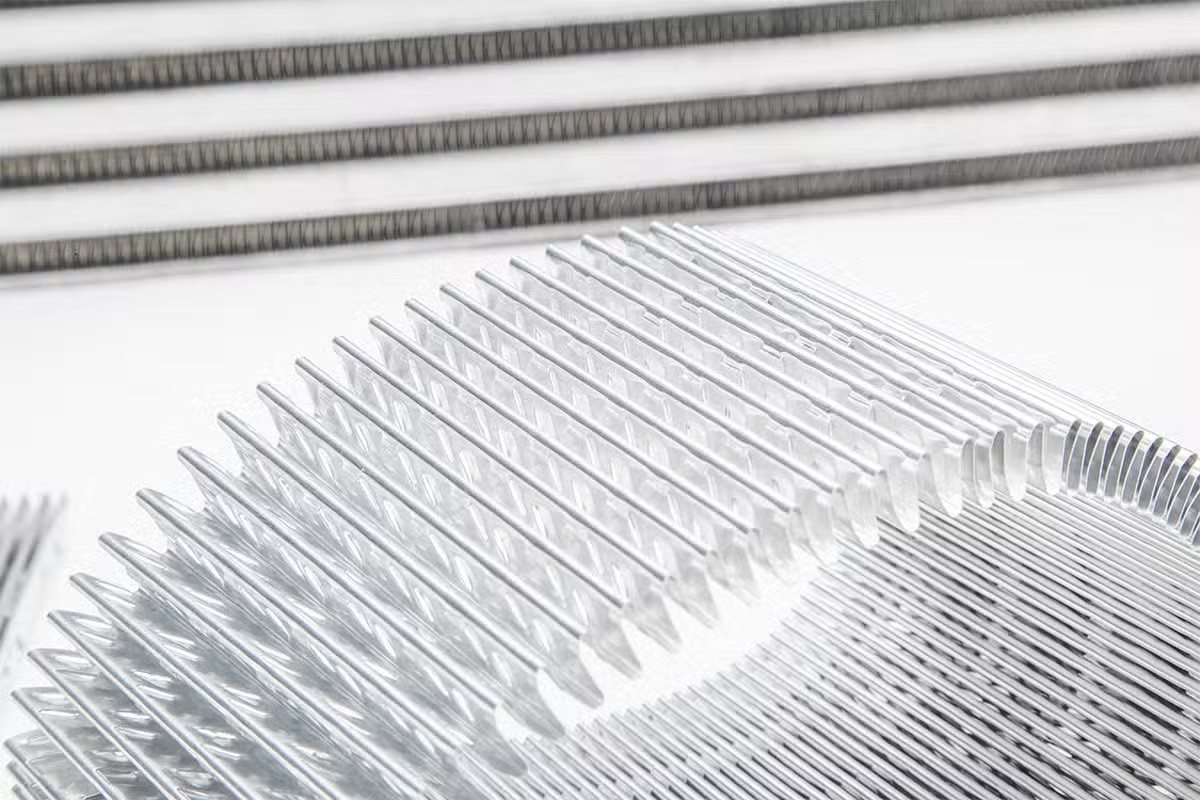
Advanced Internal Fin Geometry
Offset internal fins promote controlled airflow turbulence, increasing heat transfer efficiency without introducing unnecessary restriction.
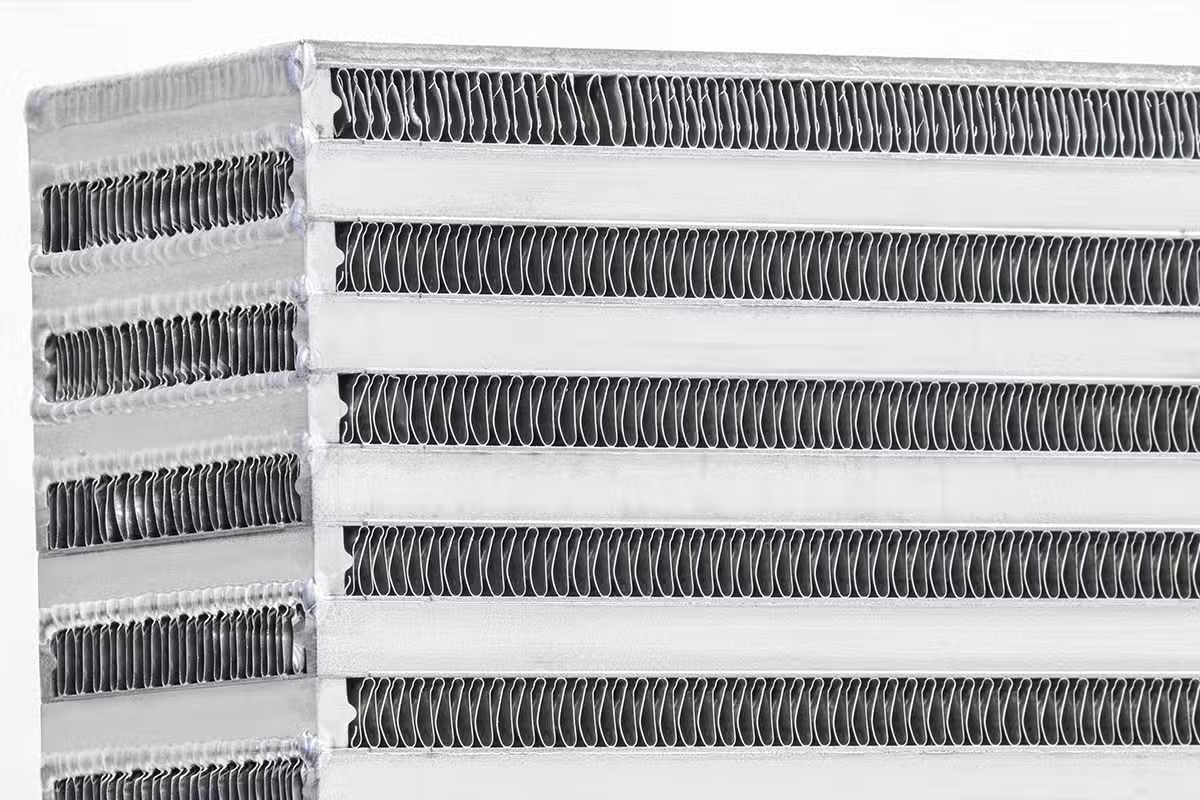
Optimized Fin Density
Fin density is engineered to balance heat rejection and airflow efficiency, supporting cooling performance while maintaining low pressure drop.
Validation Overview
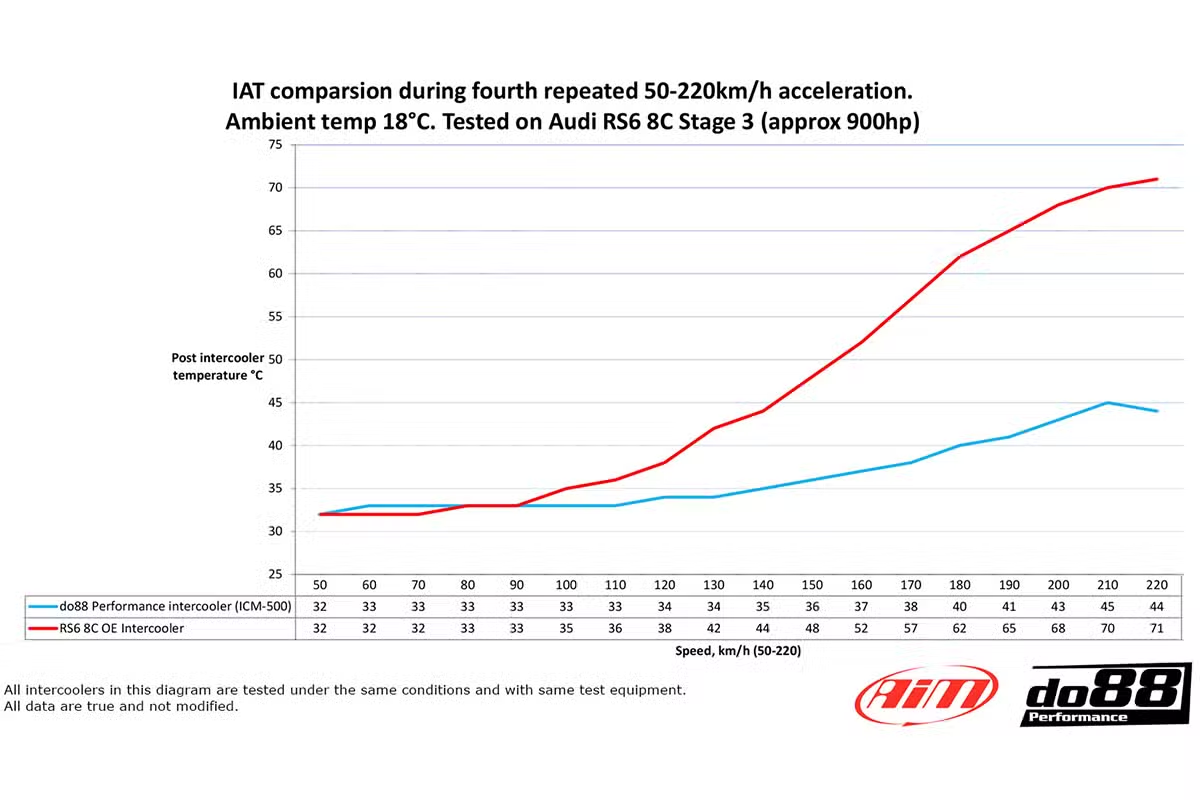
Testing was conducted using a 2020 Audi RS6 producing approximately 900 horsepower, with repeated acceleration cycles from 50 to 220 km/h and minimal recovery time.
This scenario places significant thermal demand on the charge-air system, allowing intake air temperature behavior to be evaluated under sustained load conditions.
Performance Results
- Peak intake air temperature reduction of approximately 27°C
- Average IAT reduced from approximately 43°C to 32°C
- Stable temperature behavior across repeated cycles
- Reduced likelihood of heat-induced power derate
Airflow and Efficiency
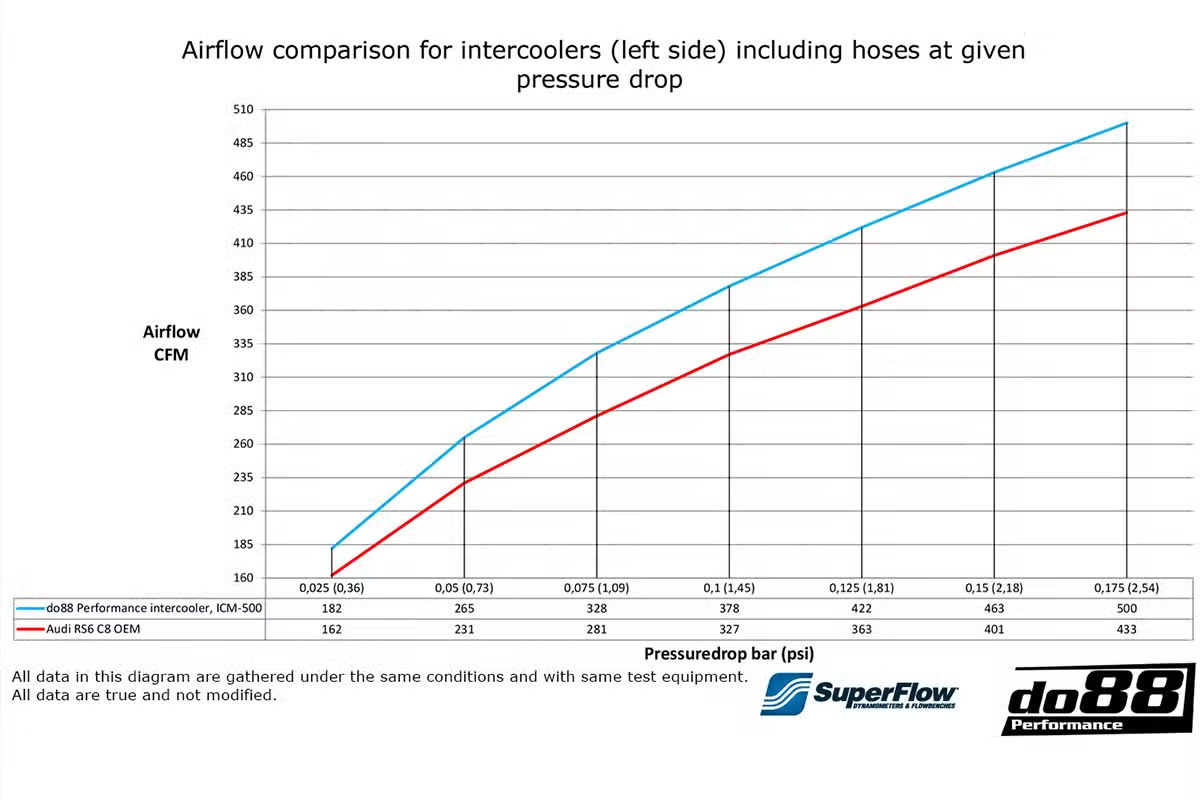
Effective intercooling requires strong heat rejection without excessive pressure drop. Excessive restriction increases turbocharger workload and system heat generation.
Garrett cores are engineered to maintain airflow efficiency while delivering cooling performance, helping sustain boost targets and stable power delivery.
Explore Garrett Intercoolers
View available intercooler solutions and core configurations for your application.
Find a Distributor
Connect with an authorized Garrett distributor for availability support.